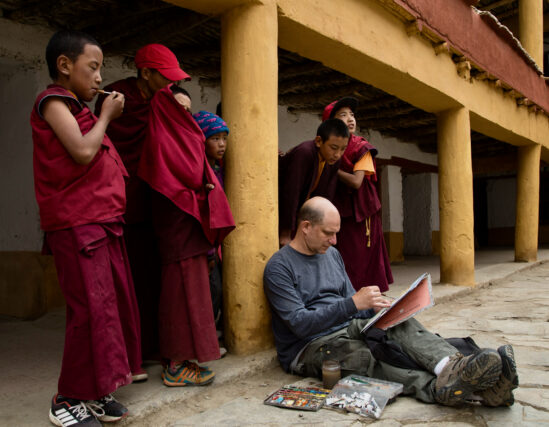
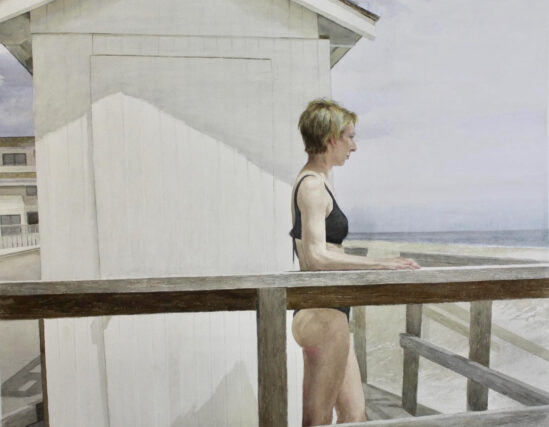
Richard Weinstein has spent a lifetime looking closely at people. Here, he considers what the great masters taught him, and what, still, he hopes to learn.
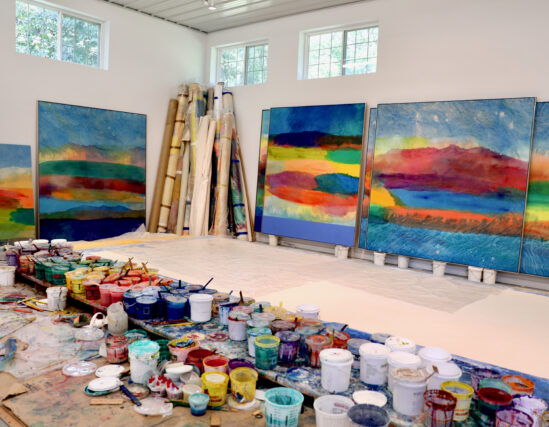
A studio conversation between Ronnie Landfield and Wei Wei tracing the rise of Lyrical Abstraction in 1960s New York, where color, landscape, and painterly risk converge into a lived philosophy of painting.
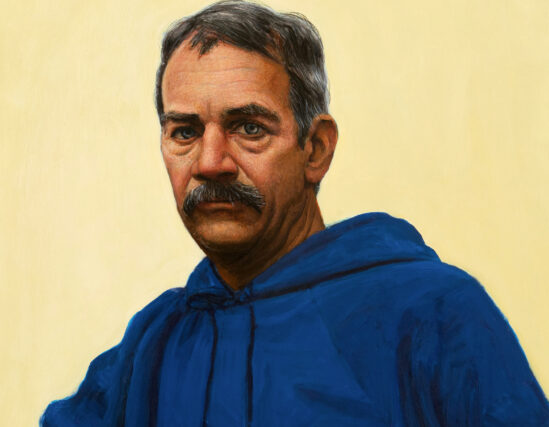
A new documentary and major exhibition on Gregory Gillespie challenge the assumption that his suicide was the inevitable outcome of his dark, disturbing late paintings, and force us to reconsider whether an artist’s death should define how we see their work.
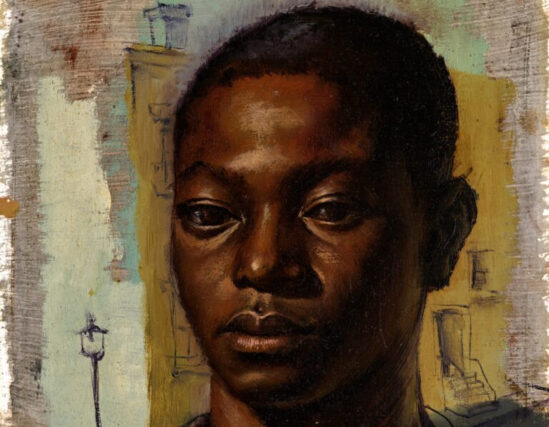
John Wilson spent decades wielding charcoal and bronze to insist on Black dignity in a culture determined to erase it, creating art so confrontational that his 1952 lynching mural couldn’t be shown publicly in America even seventy years later.
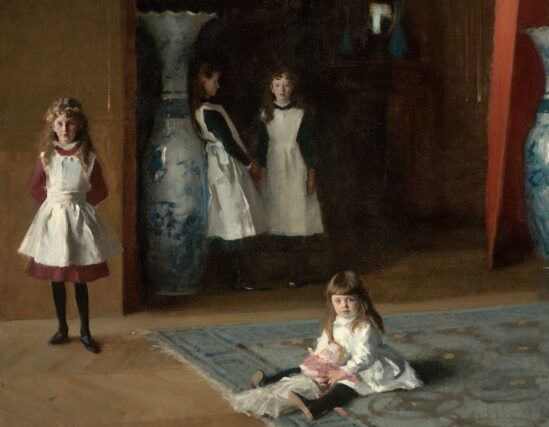
Technique is generally prioritized in schools, and the fascination with Sargent’s is emblematic of a fascination with surfaces, painterly and otherwise.
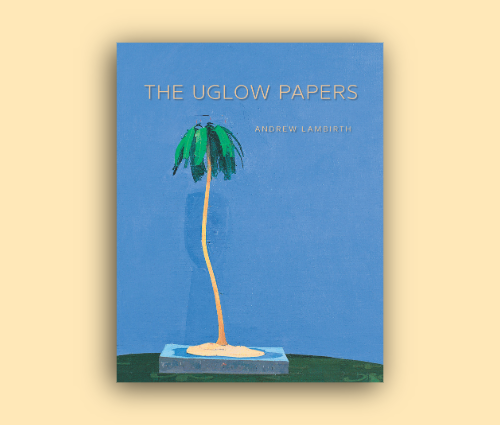
“I remember as a very young child often having deeply existential moments of dissociation from myself. Observing my surroundings but not being of them, wondering if this reality with which I’d been presented was only a dream.”